Checked October 2026
In short: pick one type of cleaning, register with HMRC if you earn over £1,000 in a tax year, get insured, price by the hour plus costs, and buy a small starter kit. Start simple and add more later.
1. Choose your type of cleaning
Pick one to begin with. You can add more later.
- Domestic: regular home cleans. Easy to start, and customers often stay for years.
- Offices and commercial: usually evenings or early mornings, often on a repeat contract.
- Airbnb and short lets: quick turnarounds between guests.
- End of tenancy: deep cleans for landlords and tenants, paid per job.
- Specialist: carpets, ovens, windows or post-build cleans, which need extra kit or training.
2. Register with HMRC
Most new cleaners start as a sole trader. You register by signing up for Self Assessment. GOV.UK says you must register if you earn more than £1,000 in a tax year (6 April to 5 April). Read the official steps on the GOV.UK sole trader page.
Keep every receipt and every invoice from day one. A simple spreadsheet is enough to start with. A separate business bank account makes your records much easier to follow.
3. Get insurance
- Public liability: covers damage or injury to a customer or their property. Not a legal requirement for most cleaners, but many commercial customers will ask for it.
- Employers' liability: usually a legal requirement once you employ staff. Check the GOV.UK guidance.
- Cover for your equipment: optional, but worth asking your insurer about.
Ask an insurance broker or insurer what suits your work. We do not provide or recommend insurance.
4. Know the safety basics
Cleaning products are chemicals, and the law on hazardous substances (COSHH) can apply to you. Read the label on every product, never mix chemicals, and keep a record of what you use. The Health and Safety Executive explains the rules on its COSHH pages.
5. Buy your starter kit
Start with trade-size basics rather than lots of small bottles. They usually work out cheaper per clean and you won't run out mid-job. A typical first kit:
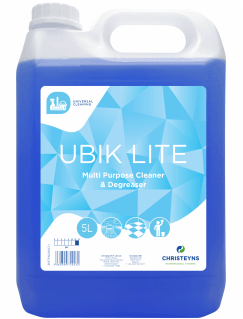
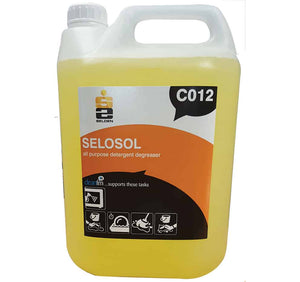
- Multi-surface cleaner, bathroom cleaner and degreaser
- Microfibre cloths (colour-coded) and mops
- Gloves and other PPE
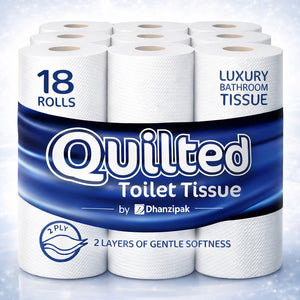
- Bin liners, toilet rolls and hand soap for commercial jobs
Ready-made packs for the most common jobs, in trade sizes. Pick the one closest to your work and adjust later.
6. Work out your price
Price by the hour, or by the job once you know how long it takes. Your price needs to cover your time, travel, supplies, insurance and tax. Here is an example only, not a guide to what you should charge:
- Example: a 3-hour clean at an hourly rate of £X = 3 × £X
- Add travel and supplies
- Set aside money for tax
Check what other cleaners charge in your area before you set your rate, and review it every few months.
7. Find your first customers
- Set up a free Google Business Profile and ask every happy customer for a review.
- Tell friends, family and neighbours, and ask for recommendations.
- Join local Facebook groups, following each group's rules.
- For commercial work, contact local offices, nurseries and letting agents directly.
Your checklist
- Pick your type of cleaning
- Register with HMRC if you earn over £1,000
- Arrange insurance
- Read the COSHH basics
- Buy your starter kit
- Set your prices
- Get your first customer
Apply for a free trade account for quotes and WhatsApp ordering. We reply within 1 working day. No minimum order.